

When you’re shipping products across borders, there’s one document that customs officials at every port around the world want to see—the Certificate of Origin. Without this seemingly simple piece of paper, your shipment could get stuck at customs for weeks, or worse, get rejected entirely. Meanwhile, you’re left dealing with frustrated buyers, mounting storage costs, and a damaged reputation.
Here’s what most exporters don’t realize: getting a COO certificate India isn’t just about clearing customs. Moreover, it unlocks substantial tariff benefits that can slash your buyers’ import duties by up to 100% under various trade agreements. Therefore, knowing how to get origin certificate properly becomes essential for staying competitive in international markets.
In this guide, we’ll walk you through everything from understanding what makes this document so critical to actually obtaining your certificate of origin for export through India’s digital platform. Additionally, we’ll cover the most common mistakes that delay shipments and how to avoid them completely.
What is a Certificate of Origin and Why Does It Matter?
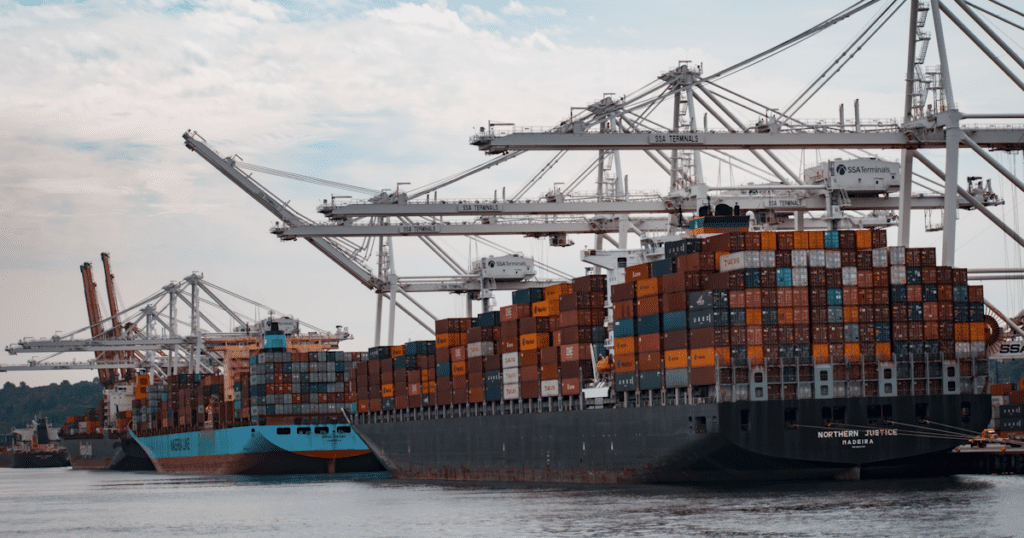
Think of a Certificate of Origin (COO) as your product’s passport—it tells importing countries exactly where your goods were manufactured or substantially transformed. Consequently, customs authorities use this document to determine whether your shipment qualifies for preferential treatment under various trade agreements.
Indian Chambers of Commerce and Trade Promotion Councils issue these certificates to verify that commodities being exported are of Indian origin. This verification goes beyond simply stating “Made in India”—it confirms the goods were wholly obtained, manufactured, or processed within the country.
The Real Impact on Your Bottom Line
Let’s talk numbers. When your European buyer receives textiles from India with a proper GSP certificate of origin, they might pay zero import duty instead of the standard 12% tariff. Furthermore, on a $50,000 shipment, that’s $6,000 in savings—a competitive advantage that could mean winning or losing the order.
Similarly, the importing country uses the certificate to determine applicable duties, tariffs, and customs policies on the import. This means even if two suppliers offer identical products at the same price, the one with proper COO documentation delivers better value to the buyer.
Beyond Cost Savings: Building Trust
Additionally, this document serves another crucial purpose: building credibility with international buyers. When you provide a properly authenticated COO certificate India, you’re demonstrating professionalism and compliance with international trade regulations. As a result, buyers feel more confident doing business with you, especially for first-time orders.
Understanding the Two Main Types of Certificate of Origin

Not all certificates of origin are created equal. In fact, choosing the wrong type could cost your buyer thousands in unnecessary import duties. Therefore, understanding which certificate you need is critical before you start the application process.
Non-Preferential Certificate of Origin
This is the standard certificate used when no special trade agreement exists between India and the destination country. Essentially, it states that goods being exported are not given any preferential tariff treatment, and due duties must be levied upon the goods.
When to use it:
- Exporting to countries without trade agreements with India
- Buyer’s customs requires proof of origin without claiming duty benefits
- Importing country has restrictions on products from specific nations
For instance, if you’re shipping handicrafts to the United States and not claiming GSP benefits, you’d apply for a non-preferential COO. Subsequently, your buyer pays standard import duties based on the product’s HS code.
Preferential Certificate of Origin
This powerful document is your ticket to reduced or zero import duties. Specifically, preferential certificates are given to goods subject to preferential tariff treatment, which may involve duty reduction or complete tariff exemption. These arise from bilateral or multilateral trade agreements between India and partner countries.
Popular preferential schemes include:
Generalized System of Preferences (GSP): Developed countries extend tariff concessions to goods from developing countries like India through this non-contractual, unilateral trade arrangement. Countries offering GSP benefits include the European Union, Japan, Canada, Norway, Switzerland, and New Zealand.
Global System of Trade Preferences (GSTP): This arrangement works differently. Instead of developed nations helping developing ones, GSTP extends tariff concessions between developing countries that are parties to the agreement. Currently, India exchanges preferential tariffs with 12 countries under this system.
Regional Free Trade Agreements: Beyond GSP and GSTP, India has signed comprehensive trade pacts with specific countries and regions. These include SAFTA (South Asian nations), ASEAN-India FTA, India-Japan CEPA, India-Korea CEPA, and the recently implemented India-UAE CEPA.
How to Choose the Right Type
The decision comes down to three factors: First, check if India has a trade agreement with the destination country. Second, verify if your product qualifies under the agreement’s rules of origin. Third, confirm your buyer wants to claim the preferential treatment (sometimes they prefer simpler non-preferential certificates for small value shipments).
Step-by-Step Process: How to Get Origin Certificate Online

Gone are the days of physically visiting chambers of commerce with stacks of paperwork. Now, exporters are directed to mandatorily file Preferential Certificates of Origin through the eCoO 2.0 system at www.trade.gov.in from January 17, 2025. This digital transformation has made the process faster, more transparent, and significantly more convenient.
Prerequisites Before You Start
Before diving into the application, make sure you have these essentials ready:
1. Import Export Code (IEC): Without an Import Export Code, you cannot access the CoO application on the DGFT portal. Therefore, if you haven’t obtained your IEC yet, that’s your first step. The process typically takes 2-3 working days through the DGFT portal.
2. Digital Signature Certificate (DSC): You’ll need a Class 3 DSC to digitally sign your application and upload documents securely. Consequently, obtain this from authorized certifying authorities like eMudhra, Sify, or nCode Solutions.
3. Registration with Issuing Agency: Different agencies are authorized to issue COOs depending on your product and agreement type. For preferential certificates under GSP, agencies like FIEO, various Export Promotion Councils, and Chambers of Commerce can issue certificates. Meanwhile, for non-preferential COOs, most regional Chambers of Commerce are authorized.
Required Documents Checklist
Gathering the right documents upfront saves time and prevents application rejections. Here’s what you absolutely need:
- Commercial Invoice: This should match exactly with your COO application—same product description, quantities, and values
- Packing List: Detailed breakdown of how goods are packed, including number of cartons, gross weight, and net weight
- Shipping Bill: Filed with customs at the time of export clearance
- Bill of Lading / Airway Bill: Proof of shipment from the carrier
- Declaration Letter: Stating that goods are of Indian origin (format available from issuing agency)
Additionally, for preferential certificates, you might need supplier declarations, manufacturing process details, or value addition statements depending on the rules of origin for that specific agreement.
The Online Application Process
Step 1: Portal Registration
Visit the eCoO 2.0 platform at www.trade.gov.in and register using your IEC number. After registration, you’ll receive login credentials via email and SMS. Subsequently, log in and complete your company profile with accurate details.
Step 2: Select Certificate Type
From the dashboard, choose whether you need a preferential or non-preferential certificate. For preferential certificates, select the specific trade agreement (GSP, GSTP, SAFTA, India-UAE CEPA, etc.) from the dropdown menu.
Step 3: Fill Application Details
The online form requires:
- Exporter details (auto-populated from your IEC registration)
- Consignee details (buyer’s name and address)
- Shipping information (vessel name, port of loading, port of discharge)
- Product details (HS code, description, quantity, value)
- Declaration regarding origin criteria
Pay special attention to the HS code—errors here frequently cause rejections. Furthermore, ensure product descriptions match exactly with your commercial invoice.
Step 4: Upload Documents
A digital signature certificate must be attached for uploading documents and submitting the application. Scan all required documents clearly (PDF format preferred) and upload them in the designated sections. Make sure file sizes don’t exceed the platform limits (typically 5MB per document).
Step 5: Preview and Payment
Before submission, carefully preview your application. This step lets you catch any errors or inconsistencies. Once satisfied, proceed to payment. Fees vary by issuing agency and certificate type, typically ranging from ₹200 to ₹500 per certificate.
Step 6: Submit and Track
After successful payment, submit your application. You’ll receive an acknowledgment number via email and SMS. Subsequently, you can track your application status through the portal. The issuing agency will verify your documents and, if everything is in order, approve and digitally issue your certificate.
Timeline Expectations
Under normal circumstances, certificate issuance takes 1-3 working days for routine applications. However, during peak export seasons or if additional verification is needed, it might extend to 5-7 days. Therefore, always plan ahead and apply well before your shipping deadline.
Common Mistakes That Delay Your COO Application
Even experienced exporters sometimes stumble during the COO application process. Understanding these pitfalls helps you avoid costly delays and rejections.
Mismatch Between Documents
This is the number one reason for COO rejection. When your invoice states “100% Cotton Fabric” but your packing list says “Cotton-Blend Material,” red flags immediately go up. Similarly, if quantities don’t match across documents, agencies will reject your application outright.
Solution: Before uploading, cross-check that product descriptions, quantities, values, and even package counts are identical across all documents. Additionally, use the exact same spelling, punctuation, and terminology everywhere.
Incorrect HS Code Selection
HS codes determine whether your product qualifies for preferential treatment under specific agreements. Moreover, different codes may have different rules of origin requirements. Consequently, selecting the wrong HS code could mean either rejection or issuing a certificate that doesn’t actually provide the intended benefits.
Solution: Use the DGFT’s tariff classification tool or consult with a customs broker to identify the correct 8-digit HS code for your product. Furthermore, when in doubt, check with the issuing agency before submitting your application.
Missing Value Addition Documentation
For preferential certificates, many trade agreements require that goods undergo substantial transformation in India. Therefore, if your product uses imported raw materials, you might need to prove that sufficient value addition occurred in India to qualify for preferential status.
Solution: Maintain proper records of your manufacturing process, including raw material purchases (both domestic and imported), labor costs, and factory overheads. This documentation helps establish that your product meets the rules of origin criteria.
Applying for Wrong Certificate Type
Sometimes exporters apply for a preferential certificate when the buyer actually needs a non-preferential one (or vice versa). Consequently, this wastes time and requires starting over with a new application.
Solution: Communicate clearly with your buyer before applying. Ask them specifically which type of certificate their customs requires and whether they intend to claim preferential treatment. Additionally, confirm the exact format or form number they need (Form A for GSP, Form AI for ASEAN-India, etc.).
Late Applications
Trying to obtain a certificate of origin for export after goods have already shipped creates serious problems. While retrospective issuance is sometimes possible, it involves additional documentation, delays, and potential complications at the destination port.
Solution: Make COO application a standard part of your pre-shipment process. Ideally, apply 7-10 days before your expected shipping date. This buffer accommodates any documentation issues or verification requirements that might arise.
Key Benefits Beyond Customs Clearance

While facilitating smooth customs clearance is the primary function, a properly obtained certificate of origin for export delivers several additional advantages that directly impact your export success.
Competitive Pricing Edge
When your products arrive with a valid preferential COO, your buyer saves substantial money on import duties. Consequently, this allows you to either offer more competitive pricing or maintain better margins. For instance, if a competing supplier from China faces 20% import duties while your Indian goods enter duty-free under GSP, that’s a significant advantage you can leverage in negotiations.
Faster Shipment Release
Customs officials prioritize processing shipments with complete, accurate documentation. Therefore, having your COO ready and properly authenticated means fewer questions, less scrutiny, and faster release of goods from the port. This speed matters tremendously, especially for time-sensitive products or when buyers have tight delivery deadlines.
Compliance with Trade Agreements
Many international buyers, particularly large retailers and corporations, mandate compliance with specific trade agreements as part of their sourcing policies. Furthermore, they often require COOs to meet their internal audit requirements. By consistently providing proper certificates, you demonstrate regulatory compliance that keeps you on approved vendor lists.
Building Long-term Buyer Relationships
Professional exporters understand that reliability extends beyond product quality. When you consistently handle documentation requirements smoothly, buyers view you as a low-risk, dependable supplier. Subsequently, this reputation leads to repeat orders, larger volumes, and better payment terms.
Special Considerations for Different Product Categories
Different product categories sometimes have specialized COO requirements or benefits under various trade agreements. Understanding these nuances helps you maximize advantages for your specific exports.
Textiles and Garments
The textile sector enjoys substantial preferential access under multiple agreements. However, textile COOs often require additional documentation proving yarn forward or fabric forward transformation. Moreover, some agreements have specific value addition thresholds that must be met.
Pro Tip: If you’re sourcing fabrics from other Asian countries but manufacturing garments in India, carefully document the transformation process. Many agreements allow cumulation, meaning materials from certain partner countries can be counted toward origin requirements.
Agricultural Products and Food Items
Agricultural exports to Europe under GSP or to Middle Eastern countries under various FTAs require not just COOs but often additional certifications. Furthermore, phytosanitary certificates, health certificates, and organic certifications might accompany your origin certificate.
Pro Tip: Coordinate with agencies like APEDA (Agricultural and Processed Food Products Export Development Authority) who are authorized to issue COOs for specific product categories and can guide you through additional certification requirements.
Pharmaceuticals and Chemicals
Pharmaceutical products face stringent documentation requirements globally. Consequently, your COO must align perfectly with other regulatory documents like manufacturing licenses, GMP certificates, and stability study data.
Pro Tip: For pharmaceutical exports, consider getting your COO from specialized bodies like Pharmexcil (Pharmaceuticals Export Promotion Council) who understand sector-specific requirements and can provide valuable guidance.
Engineering Goods
Engineering goods exports from India reached substantial volumes, and many engineering products qualify for preferential treatment under various agreements. However, proving origin can be complex when products incorporate imported components.
Pro Tip: Maintain detailed bills of materials showing the origin of all components. Many engineering products qualify for preferential status even when using imported inputs, provided sufficient manufacturing or assembly occurs in India.
Recent Updates and Digital Transformation (2025)

The Certificate of Origin system in India has undergone significant modernization. Staying current with these changes ensures you’re using the most efficient processes and avoiding outdated procedures.
Migration to eCoO 2.0 Platform
Exporters are now required to file Preferential Certificates of Origin through the eCoO 2.0 system at www.trade.gov.in starting from January 17, 2025. This new platform offers enhanced security, faster processing, and better integration with other government systems.
Key improvements include:
- Real-time application tracking with detailed status updates
- Integration with ICEGATE for automated shipping bill verification
- Mobile-friendly interface for on-the-go access
- Faster document upload and processing
- Automated validation checks reducing manual errors
Shift from Certificate to “Proof of Origin”
Effective March 18, 2025, India introduced amendments replacing the term “Certificate of Origin” with the broader term “Proof of Origin” across various provisions. This change recognizes emerging trade agreement formats that accept self-declarations alongside traditional certificates.
For exporters, this means greater flexibility in some trade agreements. However, it also increases responsibility to ensure accuracy since self-declarations carry the same legal weight as traditionally certified documents.
Enhanced Verification Mechanisms
With digital transformation comes increased scrutiny. The new system enables importing country customs authorities to directly verify certificates issued by Indian agencies. Therefore, any discrepancies or fraudulent certificates get caught much faster, making accuracy more important than ever.
Frequently Asked Questions
Q: How long is a Certificate of Origin valid?
Generally, validity ranges from six months to one year from the date of issuance, though specific validity depends on the trade agreement and importing country requirements. Some countries require that goods be shipped within a certain timeframe from certificate issuance. Therefore, always check destination country requirements before shipping.
Q: Can I get a COO for goods not wholly made in India?
Yes, provided the goods meet the rules of origin criteria for the relevant trade agreement. Many products use imported components or raw materials but still qualify for Indian origin status if substantial transformation occurred in India. Furthermore, most agreements specify either a minimum value addition percentage or specific manufacturing operations that confer origin status.
Q: What if my shipment has already sailed without a COO?
While challenging, retrospective COO issuance is possible in some cases. Contact the issuing agency immediately and explain the situation. You’ll likely need additional documentation explaining the delay. However, be aware that some destination countries don’t accept retrospective certificates, potentially causing problems for your buyer at customs.
Q: Do I need separate COOs for each consignment to the same buyer?
Yes, each shipment requires its own Certificate of Origin. Even if you’re shipping identical products to the same buyer multiple times, every export consignment must be accompanied by a separate COO with specific shipment details. Therefore, factor this into your export planning and documentation workflow.
Q: Which issuing agency should I choose?
For preferential certificates, agencies are often designated based on product categories or trade agreements. For instance, APEDA handles agricultural products, Pharmexcil for pharmaceuticals, and FIEO for general exports. Meanwhile, for non-preferential certificates, you can choose any authorized Chamber of Commerce convenient to your location.
Partnering with Experts for Seamless Documentation

While the COO process has become more streamlined, navigating trade agreements, rules of origin, and documentation requirements still presents challenges, especially for new exporters or those venturing into new markets.
At NexaCrest International, we’ve helped hundreds of exporters successfully obtain certificates of origin for exports across 25+ destination countries. Our team understands the nuances of different trade agreements, the specific requirements of various importing countries, and most importantly, how to get things done right the first time.
Whether you need assistance identifying which certificate type suits your shipment, guidance through the online application process, or comprehensive trade compliance support covering all export documentation, we’re here to help. Moreover, our services extend beyond just COOs—we provide end-to-end export facilitation including customs clearance, logistics coordination, and international trade consulting.
Take Action: Streamline Your Export Documentation Today
The Certificate of Origin isn’t just another export formality—it’s a strategic tool that can significantly impact your competitiveness in international markets. By understanding how to get origin certificate properly, you unlock tariff benefits that make your pricing more attractive while ensuring smooth customs clearance that keeps your shipments moving.
Remember these key takeaways:
- Start your COO application well before shipping (7-10 days advance)
- Choose the correct certificate type based on destination country and trade agreements
- Ensure perfect consistency across all supporting documents
- Use the new eCoO 2.0 platform for faster processing
- Keep yourself updated on trade agreement changes and rules of origin requirements
Ready to simplify your export documentation process? Contact NexaCrest International today for expert guidance on certificates of origin, trade compliance, and comprehensive export support services. Our team will ensure your shipments clear customs smoothly while you focus on growing your international business.
Additionally, explore our complete export facilitation services covering everything from market research and buyer identification to logistics coordination and trade finance. We make international trade seamless, secure, and profitable for Indian exporters.
About the Author: This guide is brought to you by the export compliance experts at NexaCrest International, India’s trusted partner for comprehensive international trade facilitation services. With deep expertise in trade agreements, documentation requirements, and cross-border logistics, we help Indian exporters succeed in global markets.